Leon Klein · 2 November 2026
Revitalization Sparks Along Selwyn Riverfront as Plans Advance
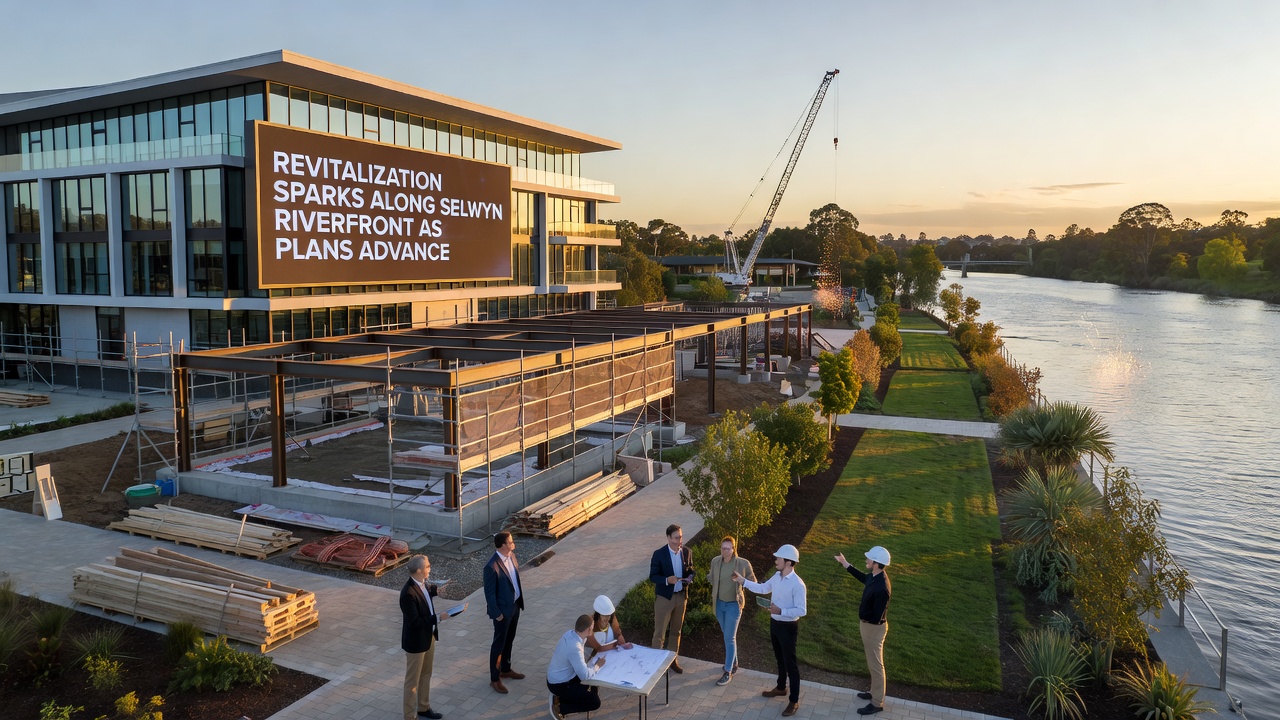
Revitalization efforts along the Selwyn Riverfront have gained momentum as multiple planning stages move forward simultaneously, and local authorities coordinate with developers to transform underused stretches into mixed-use corridors that combine recreation, commerce, and habitat restoration. Data from recent surveys indicates increased foot traffic projections once pathways and public amenities open, while engineering assessments confirm structural improvements to flood defenses that will support year-round access. Observers note that preliminary designs incorporate native plantings along the banks, and these elements align with broader watershed management goals documented by regional environmental agencies.
Timeline and Key Milestones
Project schedules now point toward a major public review session scheduled for November 2026, at which time updated renderings and traffic studies will be presented to residents and business owners for final input before permitting advances. Construction phases are sequenced so that riverbank stabilization occurs first, followed by installation of lighting, seating areas, and small-scale retail pods that will activate the waterfront during evenings and weekends. Figures released by the planning department reveal that permitting timelines have shortened compared with earlier cycles, and this acceleration stems from streamlined interagency reviews that consolidate environmental and zoning approvals into single submissions.
Economic and Community Dimensions
Local business associations have tracked rising inquiries from potential tenants interested in riverfront locations, and analysts attribute part of this interest to improved connectivity with existing transit routes that already serve adjacent neighborhoods. Employment estimates generated by economic modeling suggest several hundred temporary construction positions during peak phases, alongside permanent roles in hospitality and maintenance once facilities open. Community workshops held throughout the past year gathered input on programming preferences, and those sessions highlighted demand for outdoor markets, fitness stations, and interpretive signage that explains the river's ecological history. One study coordinated with a nearby university found that similar waterfront upgrades in comparable municipalities correlated with measurable increases in property values within a one-kilometer radius, though researchers emphasize that outcomes depend on sustained maintenance budgets and inclusive design choices.
Environmental Integration and Infrastructure Upgrades
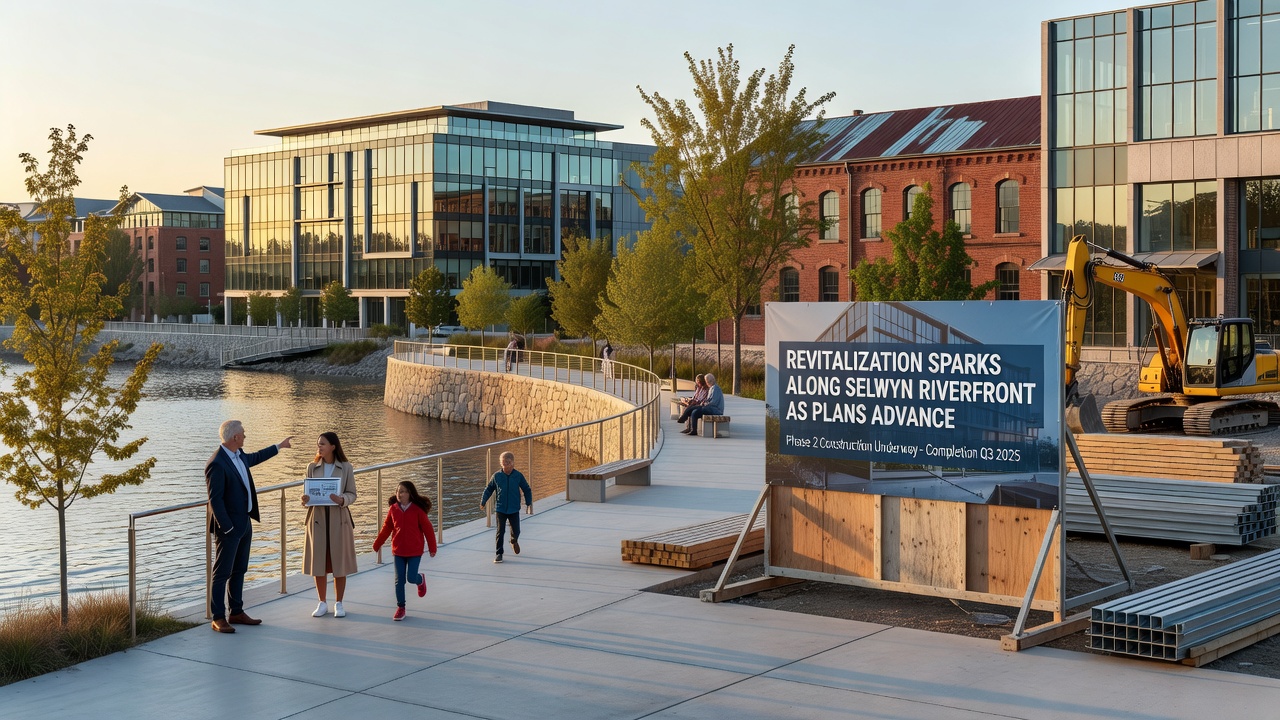
Restoration components include removal of invasive species, regrading of slopes to reduce erosion, and creation of wetland pockets that will filter stormwater before it reaches the main channel. These measures draw on principles outlined in guidance from the Australian Department of Climate Change, Energy, the Environment and Water, which has published case studies on urban river rehabilitation across multiple continents. Concurrently, utility upgrades will bury overhead lines and install smart irrigation systems that adjust water use according to soil moisture readings, and these technologies are expected to lower long-term operating costs while supporting drought resilience. Traffic modeling shows that dedicated pedestrian and cycling paths will divert a portion of short trips away from nearby roads, and this shift aligns with regional targets for reduced vehicle emissions.
Funding packages combine municipal bonds, state infrastructure grants, and private contributions from developers who have committed to public realm improvements as part of their site approvals. Progress reports issued quarterly track expenditure against milestones, and current figures indicate that design and environmental assessment phases remain within allocated budgets. Partnerships with local schools have already produced student-led monitoring programs that collect water quality samples at fixed points along the river, and these datasets will help evaluate the effectiveness of new filtration features once they become operational.
Looking Ahead
Additional design refinements are anticipated before the November 2026 review, and these adjustments will incorporate feedback collected through online portals and in-person sessions. Coordination meetings continue among engineering teams, landscape architects, and transportation planners to ensure that riverfront elements integrate smoothly with broader mobility networks. As permitting windows open, contractors will begin site preparation on the first priority segments, and visible changes to the landscape are expected shortly thereafter. The sequence of work has been structured to minimize disruption to existing river users while delivering incremental public access as each phase concludes.
Conclusion
Collectively these developments mark a sustained push to reconnect Selwyn residents with their riverfront through thoughtful infrastructure and ecological enhancements. Ongoing documentation from planning offices and partner organizations will continue to chart progress, and interested parties can follow updates through official municipal channels. The coordinated approach across environmental, economic, and community objectives positions the riverfront project to deliver layered benefits as construction timelines unfold.