Leon Klein · 2 November 2026
Selwyn Library Digitization Effort Brings Overlooked Local Records to Public View
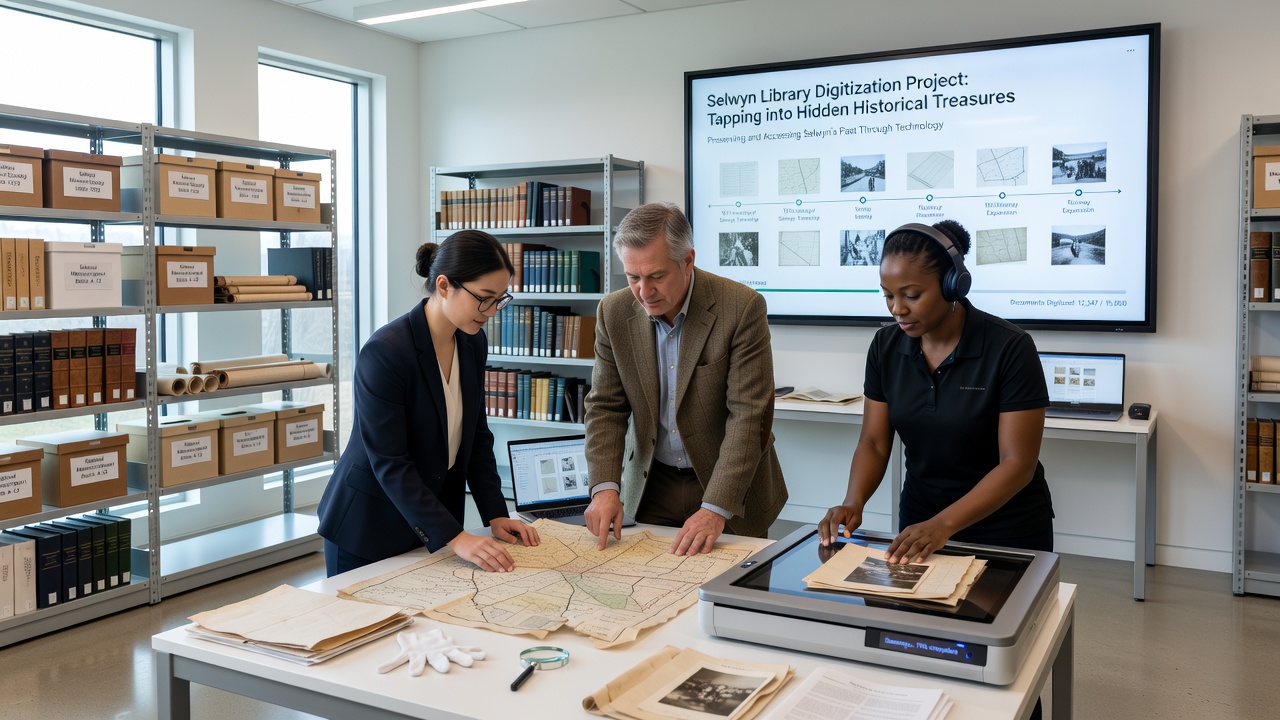
Researchers and archivists in Selwyn launched a library digitization project that converts paper records, photographs, and maps into searchable online formats, and the initiative has already made thousands of previously inaccessible items available through the local library portal. The effort focuses on materials dating from the late 1800s through the mid-20th century, including township council minutes, school registers, and family correspondence that document daily life in the region.
Project Origins and Timeline
Planning for the digitization began in early 2025 when library staff identified deteriorating collections stored in climate-controlled vaults, and funding from provincial grants allowed equipment purchases and staff training by summer of that year. Work accelerated through 2026, with a major public launch scheduled for November 2026 that will feature newly processed collections of agricultural ledgers and railway timetables tied to Selwyn's early economic growth.
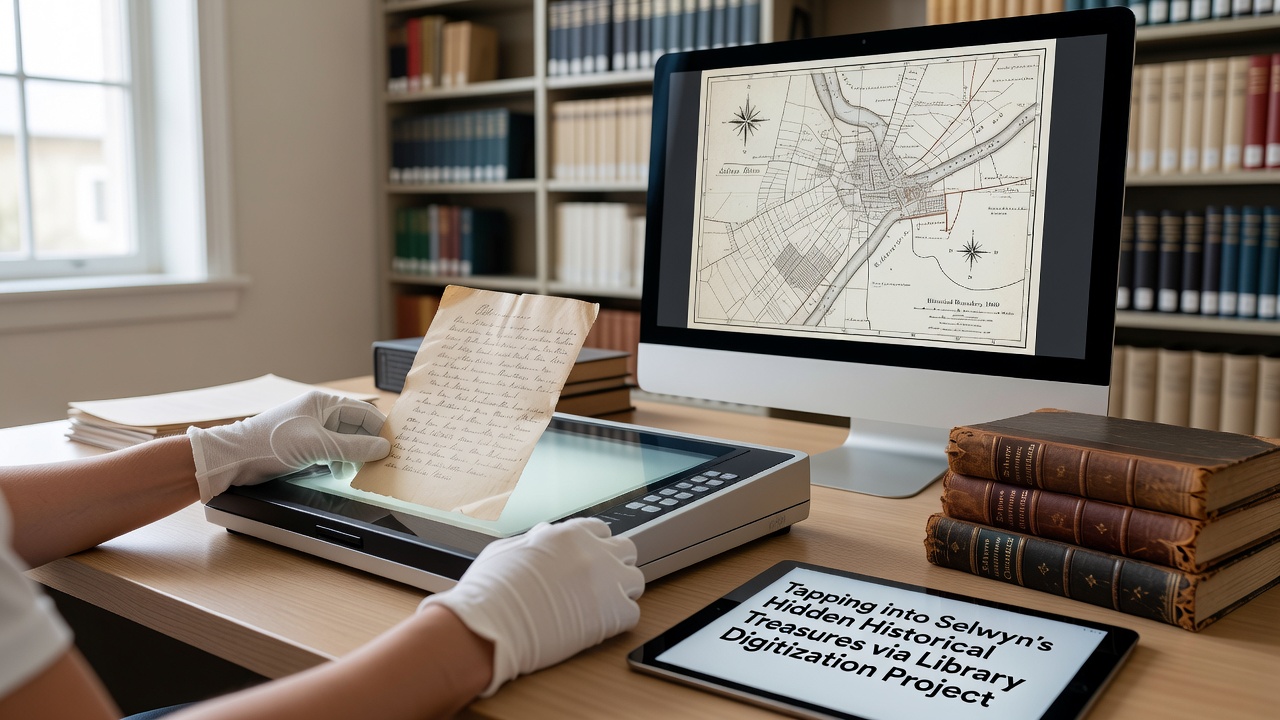
Equipment includes high-resolution scanners capable of handling fragile bound volumes without damage, while metadata standards follow guidelines from the Library and Archives Canada to ensure long-term accessibility and cross-referencing with national databases.
Materials Now Accessible Online
Among the first batches released are photographs of Selwyn's original train station from 1892 along with handwritten diaries kept by local farmers during the Depression era, and these items carry detailed captions that allow keyword searches for events, names, and locations. Observers note that cross-referencing these records with census data has already clarified migration patterns into the township during the 1920s.
Additional holdings include microfilm copies of the Selwyn Gazette that cover local reporting from 1910 to 1955, and digitization teams have corrected optical character recognition errors in older issues so researchers can retrieve accurate text matches. Maps showing land surveys from the 1880s reveal property boundaries that still influence current zoning discussions, while oral history transcripts collected in the 1970s add personal accounts of community events.
Community Access and Research Applications
Public access occurs through the library website where users can browse by decade or topic, and the November 2026 rollout will introduce an interactive timeline that links documents to specific addresses and family names. Students at local schools have begun using the materials for history projects, while genealogists report locating previously unknown relatives through indexed baptismal records.
According to figures released by project coordinators, more than 12,000 pages had been processed by October 2026, with completion of the initial phase expected by spring 2027. Partnerships with nearby universities have allowed graduate students to assist with transcription, and this collaboration has produced searchable databases that connect Selwyn records to broader provincial collections.
Technical Standards and Preservation Methods
Staff follow preservation protocols that prioritize original document safety during scanning, and they store master files in redundant cloud servers backed by physical hard drives kept off-site. Quality checks occur at multiple stages to verify image clarity and metadata accuracy, while file formats adhere to recommendations from the American Library Association for long-term digital stewardship.
Future stages of the project will incorporate three-dimensional imaging of artifacts such as farming tools and textiles, and these additions are slated to begin after the November 2026 launch once additional funding is secured. Training sessions for community volunteers have already started, enabling residents to contribute descriptions and identifications that enrich the online records.
Conclusion
The digitization project continues to expand the range of Selwyn's documented past that residents and researchers can examine without visiting physical archives, and ongoing work will add further collections through the remainder of 2026 and into the following year. Updated search tools and community contributions ensure that newly available materials remain relevant to current inquiries about local heritage and development patterns.