Dana Fischer · 16 November 2026
Selwyn's Support for Arts and Archives Contributes to Ongoing Housing and Transit Discussions
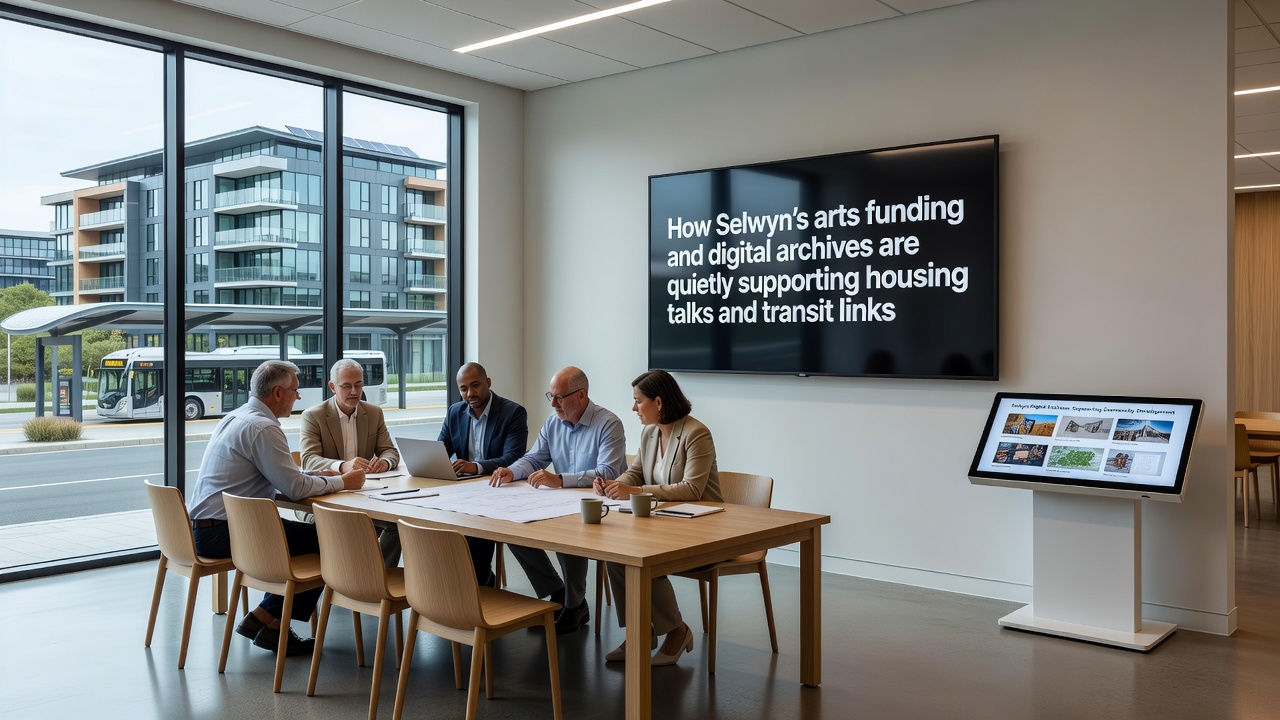
Arts allocations in Selwyn have directed resources toward community workshops that bring residents into conversations about housing density and route planning, while digital archives supply historical maps and records that clarify land use patterns from previous decades. These elements operate alongside formal planning processes rather than leading them, yet they provide context and participation channels that shape how discussions unfold. Data from local records shows that areas with access to digitized property histories experienced more detailed feedback during public sessions held throughout 2025 and into 2026.
Funding Patterns and Community Engagement
Allocations from Selwyn's cultural budget reached several community organizations in 2025, supporting events where residents examined proposed housing sites through creative exercises such as collaborative mapping and oral history sessions. These activities drew on existing arts programs that already served neighborhood groups, allowing organizers to extend invitations to transit planners without creating new structures. Records indicate that participation in these workshops increased by measurable margins compared with standard public meetings, particularly among longtime residents who contributed details about past infrastructure changes.
One program funded a series of artist-led discussions that focused on neighborhood identity and future growth, incorporating input from transit consultants who attended as observers. The approach let participants reference specific blocks and corridors using visual aids drawn from local archives, which helped surface concerns about connectivity and access that might otherwise have remained general. Figures from the organizing groups show steady attendance across multiple sessions held between spring and fall of 2025.
Digital Records Informing Land Use Context
Selwyn's ongoing digitization of municipal records has made available property deeds, survey notes, and early transit route diagrams dating back to the mid-twentieth century. Planners and residents have consulted these materials during housing talks to identify parcels with prior industrial use or protected easements that affect current proposals. The archives also contain correspondence and photographs that document how earlier transit expansions intersected with residential development, supplying concrete examples rather than abstract projections.
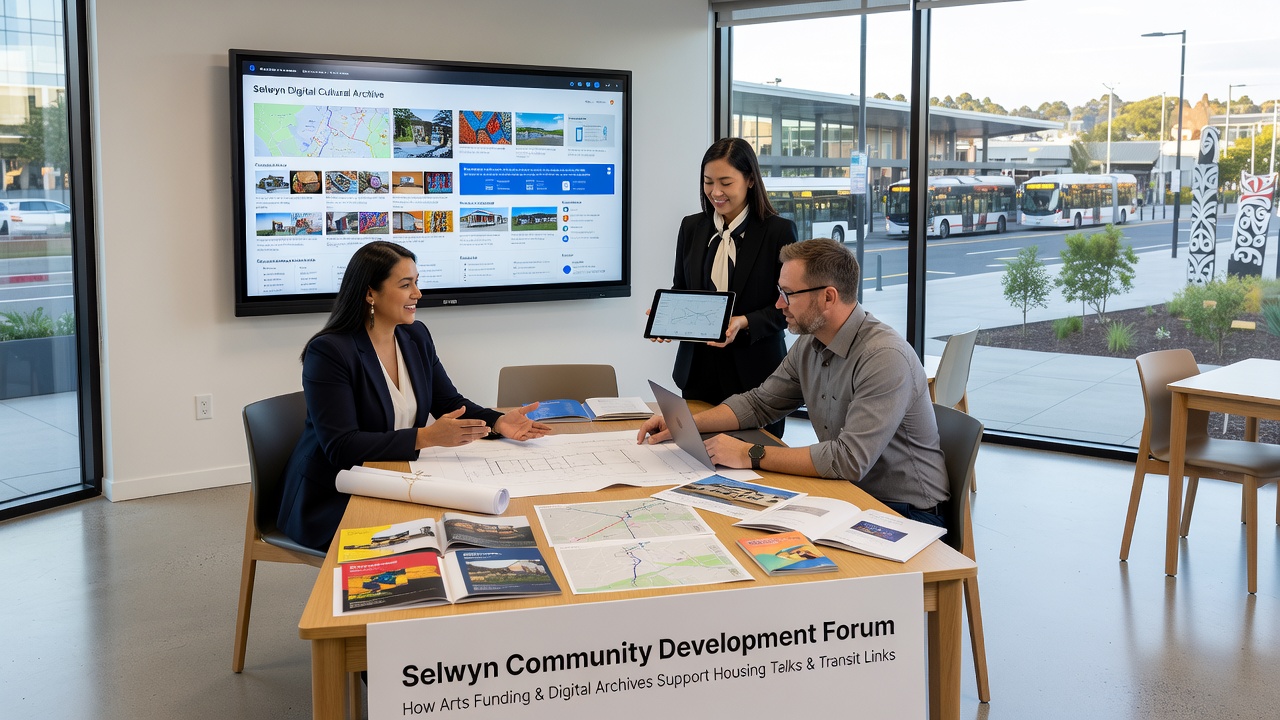
Access to these records occurs through a public portal updated periodically, with new batches added as scanning continues. Researchers who have examined the collections note that cross-referencing old transit maps with current zoning overlays reveals patterns of growth that align with present-day corridor studies. Community groups have cited specific documents during meetings to illustrate how certain neighborhoods developed around former rail stops, informing arguments about where new links might best serve existing populations.
Links Between Cultural Resources and Planning Topics
Housing discussions have incorporated archive materials when participants reference long-standing property boundaries or former community facilities that no longer appear on contemporary maps. Arts-funded sessions have provided venues for these references to surface in structured ways, such as through timeline exercises or photo-based storytelling. Transit planning has drawn on the same resources to trace how bus and rail alignments evolved, helping identify corridors where historical rights-of-way still exist or where past decisions created gaps in service.
November 2026 saw the release of an updated set of digitized records covering the 1970s expansion period, coinciding with renewed attention to several transit corridors under consideration. Organizers of related community events used portions of the new materials in workshops that also addressed housing targets, allowing direct comparison between archival layouts and current proposals. Attendance records from those events show consistent involvement from both housing advocates and transit users who had not previously attended separate planning meetings.
Observed Outcomes in Participation and Documentation
Meeting summaries from 2025 and 2026 indicate that contributions drawing on archive content tended to receive written acknowledgment in follow-up reports prepared by planning staff. Arts-supported events produced supplementary notes and visual summaries that were later shared with transit agencies and housing committees. These materials supplemented standard comment forms without replacing them, adding detail about neighborhood history and daily travel patterns that quantitative data alone did not capture.
Local organizations have tracked how many participants in arts-funded activities later submitted formal comments during official consultation periods. The pattern shows overlap, particularly among residents who first encountered planning materials through creative or archival presentations. This sequence has occurred across multiple neighborhoods, suggesting the approach extends reach beyond those already engaged with municipal processes.
Conclusion
Selwyn's arts allocations and digital archive work continue to intersect with housing and transit conversations through established community channels and accessible records. The materials and events supply context and participation routes that operate in parallel with formal reviews, and recent additions to the archives in late 2026 have extended this availability. Observers tracking these developments point to measurable increases in documented community input that reference historical sources, while funding patterns show sustained support for engagement activities tied to the same topics.