Leon Klein · 5 October 2026
Volunteer Networks in Selwyn Refine Winter Assistance Efforts to Address Shifting Local Demands
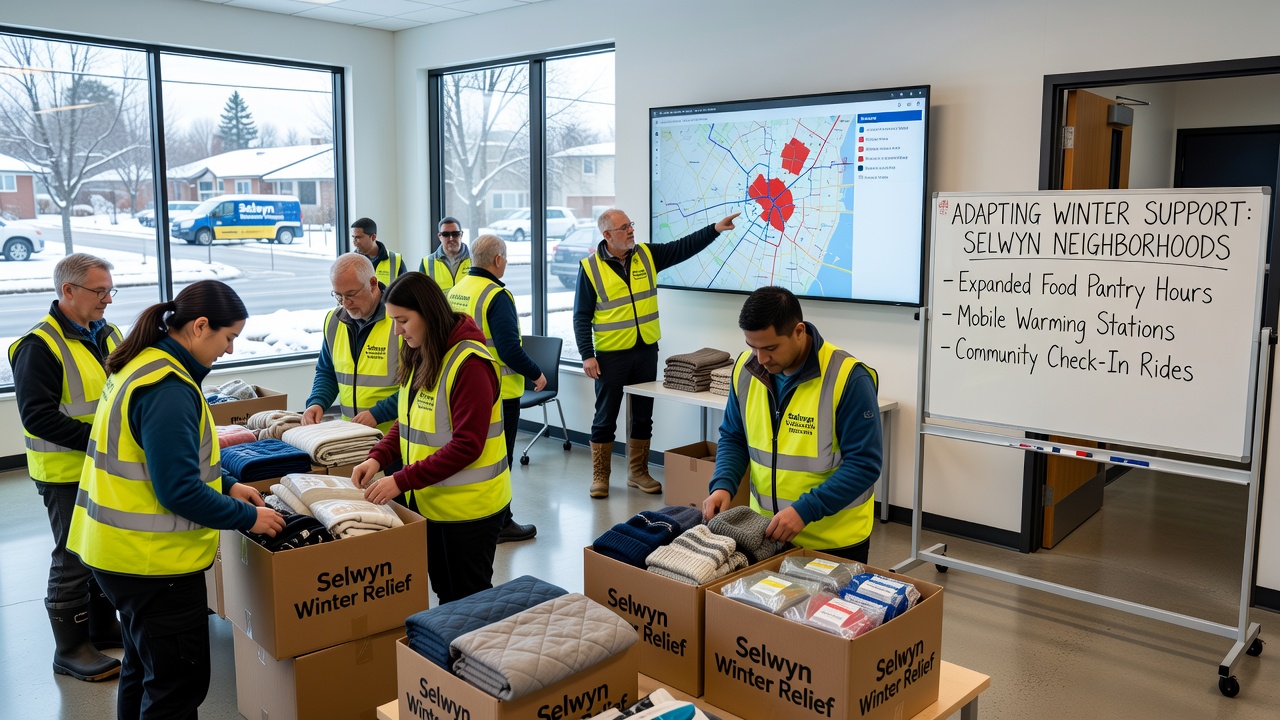
Volunteer networks across Selwyn neighborhoods have adjusted their winter support programs in response to evolving community requirements, with changes becoming evident by October 2026 as colder temperatures arrived earlier than in previous seasons and resident demographics shifted toward more seniors and young families. These groups track local data on heating costs, food access, and transportation barriers, then modify delivery methods and resource allocation accordingly.
Tracking Emerging Community Patterns
Local organizations monitor census updates and health reports that show increased numbers of single-parent households alongside aging residents who face mobility challenges during snow events. Data from regional assessments indicate that traditional blanket distributions no longer cover the range of needs, prompting networks to introduce targeted assessments before each season begins. Observers note that October 2026 saw volunteer teams conduct door-to-door surveys in three Selwyn districts to identify households requiring both food baskets and mobility aids rather than one or the other.
Partnerships with municipal transit services allow volunteers to schedule shared rides for medical appointments, while mobile apps now coordinate real-time updates on available slots. These adjustments stem from feedback collected the prior winter when transportation gaps left several residents without access to warming centers.
Resource Allocation Updates
Supply lists have expanded to include smaller portion meal kits for seniors living alone and child-specific winter clothing bundles for families with infants. Networks report that bulk purchases of generic items gave way to customized orders after inventory reviews revealed overstock in certain categories and shortages in others. One program shifted from weekly drop-offs to bi-weekly visits combined with phone check-ins, reducing travel costs for volunteers while maintaining contact with isolated residents.
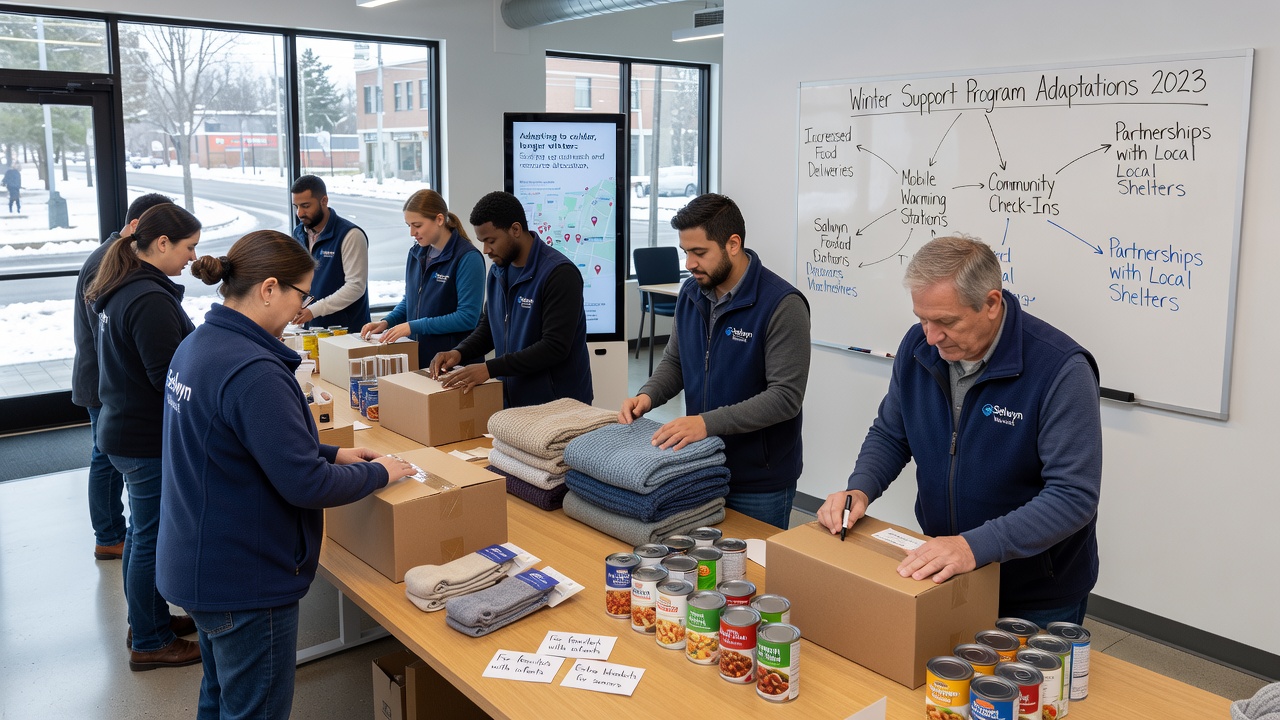
Training sessions for new recruits now cover basic digital tools so that volunteers can log deliveries and flag follow-up needs on shared platforms. This approach draws from practices documented in community service models used in other Canadian regions, where similar updates improved response times during peak winter months.
Partnerships and Funding Streams
Cooperation with local businesses supplies extra insulation materials and gift cards for utilities, while grants from provincial sources cover specialized equipment such as portable heaters for temporary housing units. Figures from federal community support summaries show steady allocation levels for winter aid, yet volunteer groups note that combining these funds with private donations stretches resources further across neighborhoods. Another link to research from the Statistics Canada winter hardship analyses provides baseline comparisons that help Selwyn teams measure progress in reaching underserved pockets.
Coordination meetings occur monthly, allowing different networks to avoid duplication when serving overlapping areas. In October 2026 several groups merged their clothing drives into a single collection point, freeing volunteers to focus on delivery routes instead of repeated sorting tasks.
Measuring Program Reach
Attendance records at warming centers and delivery logs indicate higher participation rates after the introduction of multilingual outreach materials and evening hours for working families. Networks compile these metrics internally and share summaries with funders to justify continued support. Adjustments continue as new data arrives, such as the addition of pet food parcels after several households mentioned concerns about leaving animals unattended during cold snaps.
Conclusion
Selwyn volunteer networks maintain ongoing reviews of winter support activities, incorporating resident input and regional statistics to refine delivery and resource focus. These efforts center on matching available aid with documented needs rather than applying uniform approaches across all neighborhoods.