Logan Carter · 21 September 2026
Youth Initiatives at Selwyn High School Launch New Climate Approaches
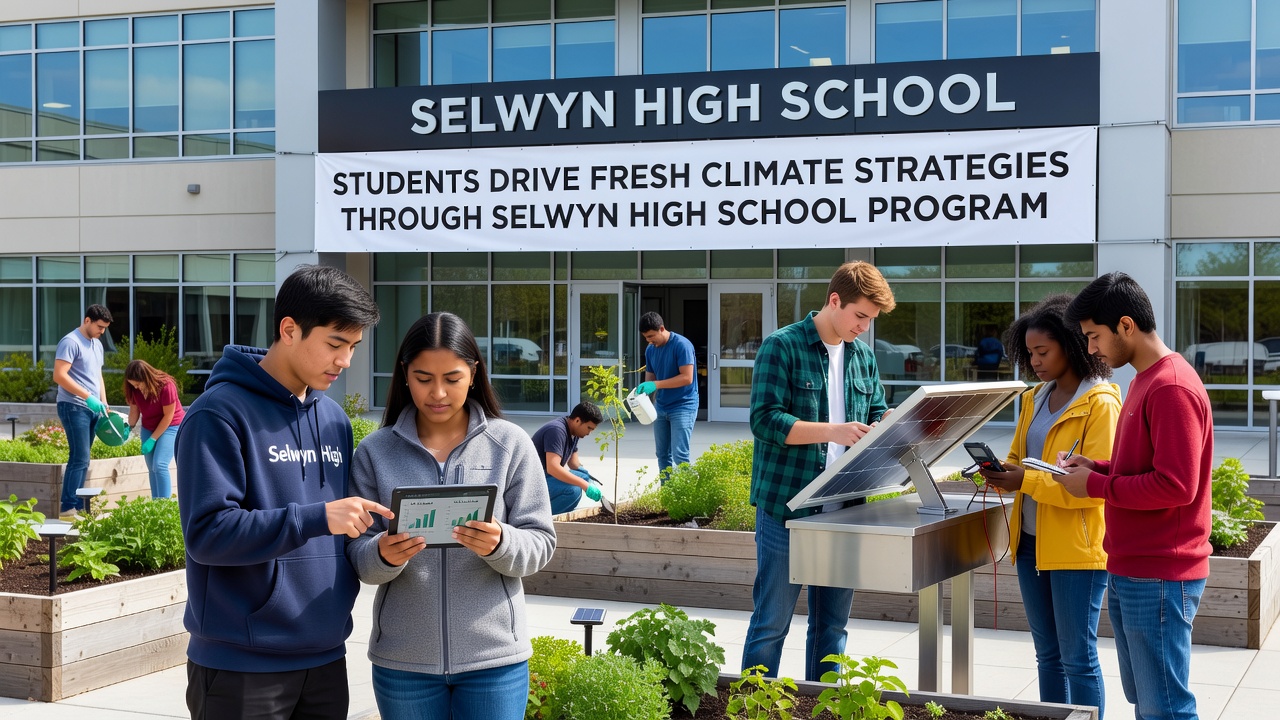
Students at Selwyn High School have taken active roles in shaping climate strategies through a dedicated program that combines classroom learning with practical projects, and the initiative continues to expand its reach into local communities. The program pairs participants with mentors from regional environmental groups while emphasizing measurable outcomes such as reduced campus energy use and community awareness campaigns.
Program Structure and Daily Operations
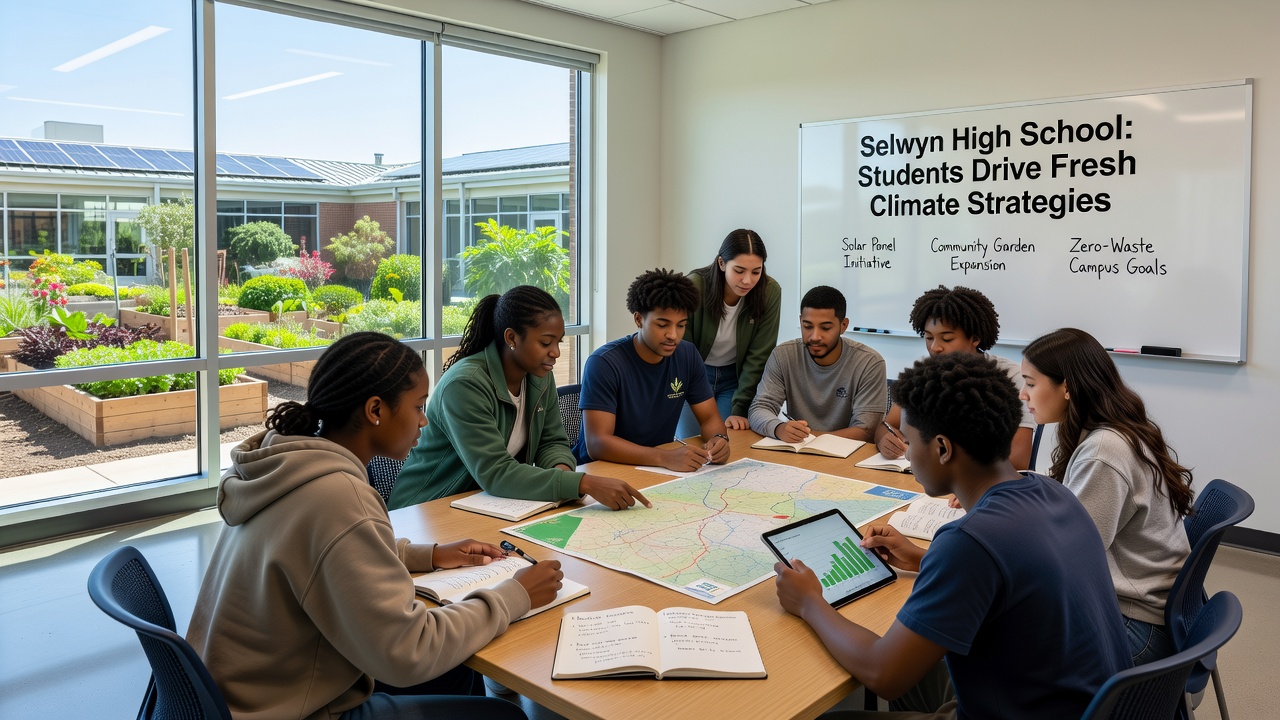
Participants attend weekly sessions that cover data collection methods, renewable energy basics, and policy analysis, yet the curriculum also includes field work at nearby wetlands and urban green spaces. Teachers coordinate with external partners so students gain access to monitoring equipment and software used by professional researchers, and this hands-on component runs throughout the academic year with additional intensive workshops scheduled during breaks.
One cohort completed an audit of school heating systems in early 2025, then presented findings that led administrators to adjust thermostat schedules and install insulation upgrades, while a separate team focused on transportation patterns and developed a bike-share proposal that the district later piloted on a limited basis.
Student Projects and Measurable Results
Groups have documented changes in local biodiversity after planting native species along school boundaries, and data logs show increased pollinator activity during the first growing season. Another project tracked waste diversion rates after new composting stations were introduced, with records indicating a 28 percent drop in landfill contributions over six months according to school maintenance reports.
September 2026 marks the scheduled launch of an expanded version that will incorporate virtual collaboration tools, allowing students from neighboring districts to share datasets and compare results on shared platforms. Organizers expect participation to grow from the current 45 students to over 100 once the digital component becomes available.
Community Partnerships and External Support
Local businesses have supplied materials for solar demonstration kits, while a grant from the regional council covers transportation for field trips. Partnerships extend beyond immediate borders; students have exchanged reports with a similar program operating in British Columbia, Canada, and they reference guidelines published by Environment and Climate Change Canada when preparing their own monitoring protocols. Additional input comes from a University of Canterbury research paper that outlines effective youth engagement models in environmental science.
These connections help students understand how local actions fit into broader frameworks, and project outputs now appear in public databases maintained by the district council for use by other planning teams.
Skill Development and Long-Term Tracking
Participants learn statistical analysis and presentation techniques that transfer directly to university coursework, and several graduates from earlier cohorts have enrolled in environmental science or engineering programs. Tracking surveys sent to alumni indicate that 70 percent continue some form of climate-related volunteer work or study after leaving the program.
School records show improved attendance among participants compared with non-participants, although administrators note that self-selection may influence those figures. The program maintains a public dashboard updated monthly with metrics on energy savings and community event attendance so progress remains transparent.
Conclusion
The Selwyn High School program demonstrates how structured student involvement can generate specific climate strategies that extend from campus improvements to wider community applications. Continued growth scheduled for September 2026 will test whether scaled participation maintains the same level of documented outcomes observed so far, and ongoing partnerships with external organizations provide the resources needed to support that expansion.